Norochcholai Output Drops as Coal Controversy Deepens
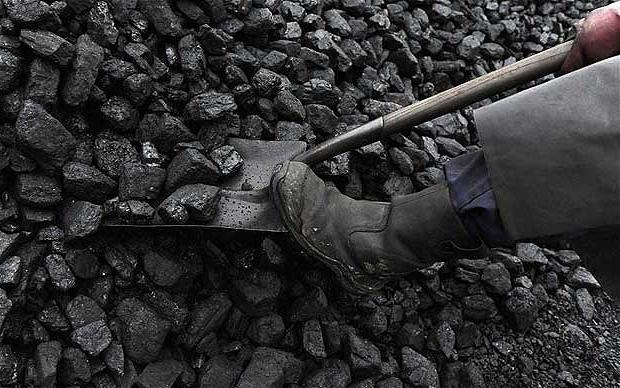
Amid growing controversy over claims that substandard coal has reduced the electricity generation capacity of the Norochcholai Power Plant, daily economic indicator reports issued by the Central Bank of Sri Lanka appear to show a clear decline in coal-powered electricity generation.
According to the data, coal-fired generation contributed 34.2 gigawatt-hours of electricity to the national grid on March 3. By March 17, that figure had fallen significantly to 26.2 gigawatt-hours.
At the same time, the reports show a notable rise in electricity generated by diesel power plants. On March 3, diesel plants produced 18.7 gigawatt-hours of electricity. By March 17, that number had climbed sharply to 26 gigawatt-hours.
This shift has drawn serious attention, especially at a time when fuel-related concerns continue to loom large. Energy experts warn that increasing reliance on diesel-powered generation under such conditions could place further strain on the country’s ability to maintain an uninterrupted electricity supply.
The emerging data has intensified concerns over the performance of coal-based generation at Norochcholai, raising fresh questions about the quality of coal being used and its wider impact on Sri Lanka’s power security.