
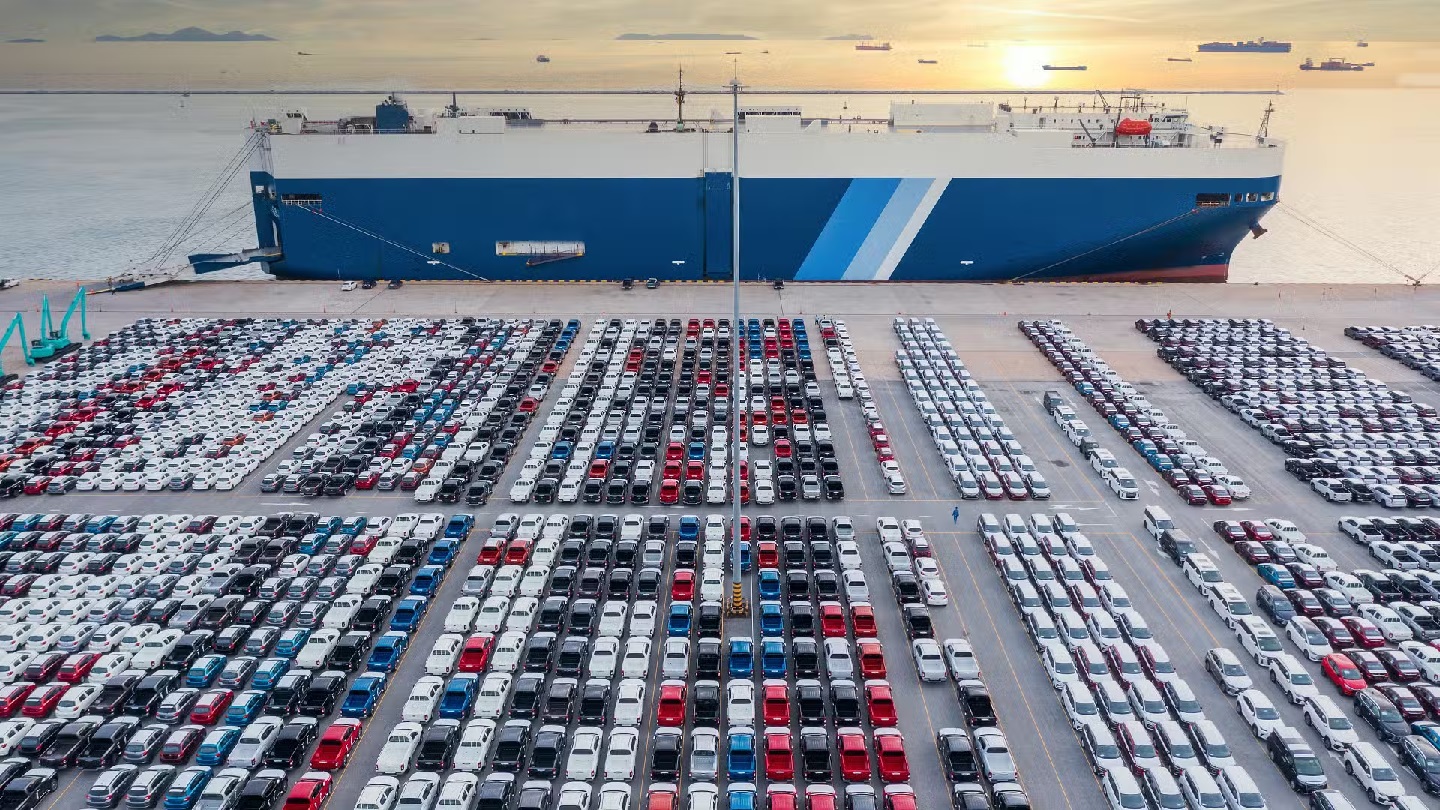
Import of vehicles, largely reflecting the release of pent-up demand at a scale much higher than expected, exerted pressure last year on Sri Lanka’s external sector that faced significant challenges amidst elevated global uncertainties, arising from shifts in global trade policies and heightened geopolitical tensions, according to the Central Bank.
The Central Bank said this was also fuelled by the false speculation on the reinstatement of restrictions. These developments exerted some pressure on the foreign exchange liquidity and the currency.
Central Bank Governor, Nandalal Weerasinghe, presenting the Policy Agenda for 2026 and Beyond, said that, according to the projections made prior to Cyclone Ditwah, inflation is expected to continue to gradually rise in 2026, reaching the target by the second half of the year.
There are both upside and downside risks to inflation arising from the devastation caused by the Cyclone. The possible impact of Cyclone Ditwah and policy responses will be incorporated in upcoming forecasts.

Destruction of supply chains and infrastructure could hurt growth prospects, while reconstruction activities and related spending would be growth-positive. Continuing the growth momentum reported during the last two years, the economy is expected to grow by around 4 – 5 per cent in 2026.
Having made notable progress in building buffers across the main sectors of the economy, such as the fiscal, external, and monetary sectors, we believe that the economy possesses greater capacity to bounce back from this devastation much faster than in the past, according to him.
“Like in many other parts of the world, the frequency of extreme weather events in Sri Lanka has increased in recent years. The Central Bank remains vigilant about any possible supply-side shocks that can affect the general price level and inflation expectations due to the impact of such shocks. As you are aware, central banks have limited capacity to respond to supply-side shocks in managing inflation. Going forward, other measures to smooth the impact of such supply-side shocks should also be prioritised at the national level. In this context, while appreciating the ongoing efforts to restore normalcy with the support of the national and international stakeholders, we reiterate the urgent need for prioritising the country’s disaster preparedness and long-term resilience building,” he said.
Referring to Gross Official Reserves (GOR), he said despite facing challenging conditions, such as meeting obligations for servicing external debt of the government without corresponding inflows and increased demand for vehicle imports, it hovered around US $ 6.0 – 6.3 billion during most of the year, and surpassed US$ 6.8 billion by end 2025.
This represents the highest level of reserves recorded since the crisis. This was largely supported by US dollars 2.0 billion in net foreign exchange purchases made by the Central Bank (on value date basis) from the domestic foreign exchange market, along with some proceeds from multilateral agencies. Substantial net foreign exchange purchases in 2025, following net purchases made by the Central Bank from the domestic foreign exchange market, in 2023 and 2024, amounting to US $ 1.7 billion and US $ 2.8 billion, respectively. The Central Bank remains committed to building reserves through market purchases in order to meet the country’s reserve adequacy requirements while allowing exchange rate flexibility, he said.