Sri Lanka has once again reintroduced the controversial QR Code system for fuel distribution, with the Ministry of Energy announcing that the system will come into effect from 6.00 a.m. on Sunday (March 15).
According to the ministry, no fuel will be issued to vehicles without a registered QR Code, effectively bringing back a system that had previously been used during the country’s fuel crisis.
Officials say the decision comes amid growing concerns over fuel availability. The government claims that ongoing military tensions in the Middle East are disrupting global fuel supply routes, while domestic fuel demand in Sri Lanka is rising sharply. As a result, authorities say strict control measures are needed to manage the country’s remaining fuel reserves.
The ministry also stated that illegal fuel hoarding and rackets have been identified as a major factor contributing to the sudden increase in fuel demand.
Authorities say the QR-based system is intended to prevent hoarding and regulate fuel distribution, ensuring that economic activities and essential services can continue without major disruption.
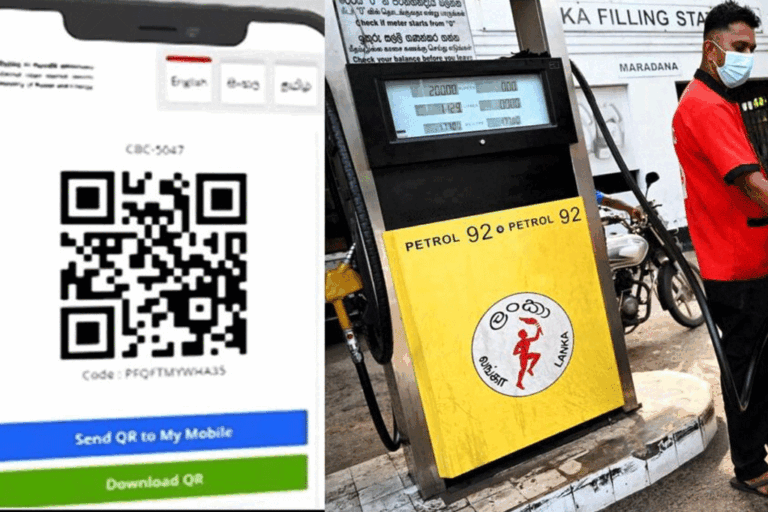
Under the system, vehicle owners must register and obtain a QR code through the official website:
https://fuelpass.gov.lk
How to obtain the QR code
For vehicles already registered previously:
- If the vehicle ownership and phone number remain unchanged, the QR code can be downloaded from the website starting midnight on March 14, 2026.
- If ownership or the registered phone number has changed, users must re-register from 6.00 a.m. on March 15, 2026.
For vehicles not previously registered:
- Owners must complete a new registration through the website from 6.00 a.m. on March 15, 2026.
The ministry said special arrangements will be made to ensure fuel supply for vehicles involved in essential services and production-related activities.
Weekly fuel quota per vehicle
- Buses: 60 litres
- Motorcycles: 5 litres
- Motor cars: 15 litres
- Vans: 40 litres
- Motor lorries: 200 litres
- Land vehicles: 25 litres
- Three-wheelers: 15 litres
- Special purpose vehicles: 40 litres
- Quadricycles: 5 litres
The move signals a return to strict fuel rationing measures, raising concerns among the public as Sri Lanka again turns to emergency-style controls to manage its fuel supply.