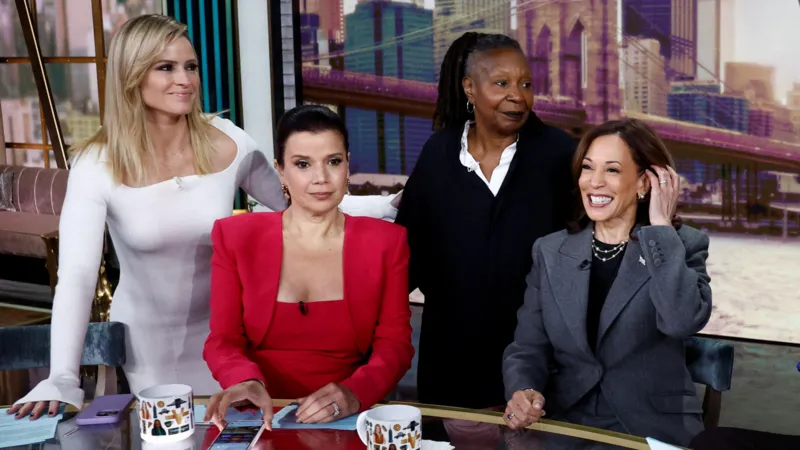
Less than a month ago, Vice President Kamala Harris made an appearance on ABC’s The View, intending to introduce herself to the American public in a casual, relatable setting. However, her response to a question about her differing policies from President Joe Biden quickly became the focal point: “Not a thing comes to mind.” This response, which Republicans used to their advantage, symbolized the challenges her campaign faced and highlighted the hurdles she couldn’t overcome in her loss to Donald Trump.
After conceding late Wednesday, Harris urged her supporters to remain hopeful. But Democrats are now reflecting on her campaign’s performance, asking where things went wrong and what it means for the party’s future.
Close of a Campaign and the Start of Reflection
On the morning after the election, Harris’s campaign team was quiet. While her advisors processed the results, campaign manager Jen O’Malley Dillon shared in an email to staff, “Losing is incredibly difficult. This is going to take time to come to terms with.”
As the sitting vice-president, Harris faced difficulties distancing herself from an unpopular administration and connecting with voters looking for fresh leadership amid economic anxiety.
The Burden of Biden’s Record
When President Biden exited the race following a rough debate performance, Harris was elevated to the Democratic ticket, bypassing the usual primary scrutiny. Her campaign launched with a message of generational change, focusing on issues like abortion rights and economic concerns.
Initial support surged, boosted by celebrity endorsements and significant donations. But as her campaign continued, it became clear that negative sentiment toward Biden’s presidency would be a hurdle. With Biden’s approval ratings consistently low, many voters were disillusioned, feeling the country was moving in the wrong direction.
Some insiders questioned whether Harris was too closely aligned with Biden’s record to appeal to voters seeking change. Jamal Simmons, her former communications director, argued that distancing herself could have been used against her, saying, “You can’t really run away from the president who chose you.”
In her efforts to balance continuity with fresh leadership, Harris struggled to communicate a clear alternative, leaving many questions about her approach to key issues.
Voter Concerns on the Economy and Immigration
Economic frustrations played a significant role in the election. According to AP VoteCast data, about 30% of voters felt they were financially falling behind, and 90% expressed concern over rising grocery prices. Immigration concerns also weighed heavily, with 40% of voters supporting deportation of undocumented immigrants, an increase from previous years. Harris’s campaign didn’t clearly address these issues, and her hesitation to distinguish her policies from Biden’s left some voters uncertain.
Challenges Rebuilding Biden’s 2020 Coalition
Harris’s team hoped to reassemble the broad base that powered Biden’s victory in 2020, targeting key Democratic groups like Black, Latino, and young voters. Yet she didn’t gain enough support from these groups, with exit polls showing losses among Latino, Black, and young voters compared to Biden’s numbers.
Senator Bernie Sanders highlighted how the working-class vote has increasingly shifted away from the Democratic Party, saying, “While Democratic leaders defend the status quo, Americans want change.” Though Harris maintained the support of many women, she fell short of the expected margins and did not achieve the gains she had hoped for with suburban Republican women.
A Focus on Trump Backfires
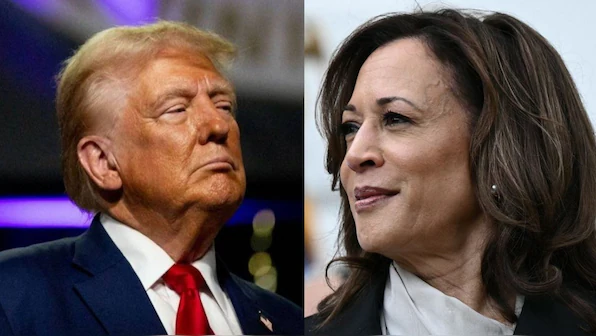
Harris attempted to frame the race as a referendum on Trump. However, her campaign shifted toward a more positive, forward-looking message centered on preserving middle-class values. In the final weeks, she pivoted again, warning against the risks of a second Trump term. Labeling Trump a “fascist” and “unstable,” she campaigned with former Republicans who shared her concerns.
However, this strategy may have backfired. Republican pollster Frank Luntz commented, “Voters know Trump well; they wanted to hear more about Harris’s vision.” By focusing more on attacking Trump than presenting her own policies, Harris’s campaign missed an opportunity to establish her distinct vision for America.
A Missed Opportunity for the Democratic Party
In the end, Harris lacked the coalition needed to defeat Trump, underscoring deeper issues within the Democratic Party beyond the presidency. Her campaign, while historic, faced obstacles that went beyond her own strategies, reflecting broader challenges for Democrats seeking to regain voter trust.